

05 января 2012, 10:57
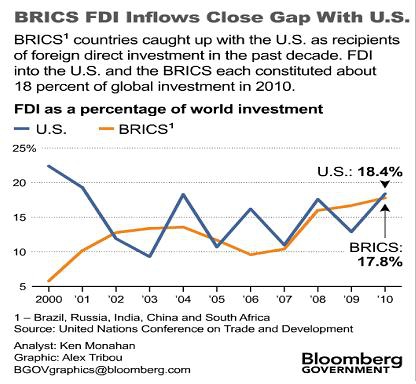
Куда идут бабки в мире. График для подумать

Читайте на SMART-LAB:

AUD/USD: Покупатели сохраняют стратегический контроль
«Австралиец» сейчас в самом разгаре тестирования уровня сопротивления 0.7184. При успешном формировании «бычьего флага» и пробое горизонтали покупателям может открыться дорога к 0.7500....

27.04.2026
Займер – на первом месте по чистой прибыли среди независимых МФО
«Эксперт РА» опубликовал рэнкинги МФО за 2025 год. Сразу по нескольким параметрам Займер занимает ведущие позиции: 🔶 1 место по чистой прибыли среди независимых МФО
🔶 1 место по объему выдач...

27.04.2026
Норникель объявляет производственные итоги за 1 квартал 2026 года
Выпуск никеля составил 42 000 тонн, почти, как и в 1 квартале прошлого года. Производство меди снизилось на 10%, до 99 000 тонн, в связи с более высокой базой 1 квартала прошлого года и за счет...

27.04.2026


Зайцу нужен галоперидол.
А пока — ЧС.

February 23, 2026
В февральском номере исследовательского отчета Rapaport Research Report рассматривается вопрос о том, находится ли мировая алмазная индустрия на пути к восстановлению в 2026 году п...

Хватит гасить дохляр, дайте в плюс выйти

Бекас,
на картинке не мой прогноз. Прогноз может сбыться/не сбыться. речь вообще не о прогнозе. Вы слитаете с рельс обсуждения. Мы говорили (я говорила и к тому привела иллюстрацию) что потребле...

Походу ЛЧИ сломался. До 24 апреля всё было правильно. 24 числа активы стали отображается неправильно. Количество акций значится какое-то неровное, хотя у меня только полные лоты. Акции которые уже про...

KatieArya,
Понятно. Дивы в 11,6 рассчитывали от 322 😁

Lannik, где я ее возьму? Я заранее скрин должен сделать был? То что биржа написала в карточке облигаций, то я и привел. Потом надпись исчезла. Как и что я не знаю. Сам я тогда не держал их облигаци...

23:41
Станислав Н, 10к это 10000?

23:32
Olgunka, причина была в цене, размещали по 1000 а стоимость была ниже, в стакане можно было купить ниже цены размещения

Григорий Еремин, зачем разворачивать что-то завтра. По 606 стоять до конца лета и заинтересованные лица покупать будут потихоньку, а не заинтересованные будут потихоньку продавать. Все равно прибыл...
Плюсану на фоне критики предыдущего поста, явный прогресс, хотя знаю — вам на мое мнение глубоко по...))
the U.S. during the past decade as recipients of foreign direct
investment as international companies increased their presence
in those developing markets.
The CHART OF THE DAY traces the growth in foreign direct
investment in the U.S. and the five BRICS countries (Brazil,
Russia, India, China and South Africa) from 2000 through 2010.
Foreign direct investment into the U.S. totaled $228
billion in 2010, about 18 percent of such investment in all
countries and down from 22 percent in 2000, according to United
Nations data compiled by Bloomberg Government. New investment in
the BRICS was also about 18 percent of total global investment
in 2010, more than triple the share received by these countries
in 2000. The BRICS received more foreign direct investment than
the U.S. in 2002, 2003, 2005 and 2009.
The pace of economic growth in the BRICS helped drive this
trend. Gross domestic product in the BRICS increased by 330
percent during the past decade, as compared with an increase of
47 percent in the U.S. The GDP of the BRICS countries combined
was about 79 percent of U.S. GDP in 2010, an increase from 27
percent a decade earlier.
The competition helps explain why President Barack Obama
established a program in June 2011, SelectUSA, to promote
investment in U.S. businesses. Commerce Secretary John Bryson,
in a December 2011 speech to the U.S. Chamber of Commerce, said
that the U.S. is attractive for foreign investment because the
cost of doing business in China and other emerging economies is
rising.
Foreign investments that involve at least a 10 percent
ownership stake in the acquired company or assets are counted as
foreign direct investment in official statistics.